


In this article:
- What meditation is and why we practise it
- The goals of meditation
- How meditation may affect health
- How beginners can prepare and start meditating
- Main meditation techniques
- Other techniques
- Choosing a technique that suits you
- Common beginner mistakes and how to avoid them
What meditation is and why we practise it
Meditation is a practice that uses focused attention and relaxation to encourage mental calm and emotional balance. It teaches us to be present, find clarity and notice our emotions. Over time, it can become a way of approaching life that helps us understand ourselves and the world more deeply. At its heart is observation: of the breath, the sounds around us or a sense of inner quiet. You do not need special conditions or equipment; simply find a quiet place and allow yourself to be here, now. Meditation may help you manage stress, train attention and support your physical and psychological wellbeing. In a world that brings new challenges every day, it can become a useful habit for maintaining a sense of balance and calm.
The goals of meditation
Once you understand the idea of meditation, you can choose your own goals: from managing stress and learning to focus to seeking spiritual insight and self-understanding. Whatever your relationship with the practice, it may help you worry less, improve your emotional wellbeing and support your quality of life.
People often turn to meditation for the following benefits:
- A calmer mind. Meditation helps you focus on the present moment, notice irritation and return from wandering thoughts;
- Greater awareness. Regular practice encourages self-awareness and a deeper understanding of yourself;
- Inner peace. Meditative techniques are often used to cultivate a sense of peace and harmony with yourself;
- Less stress. Many people use meditation as a way to manage difficult emotions and anxiety;
- Support for physical and mental health. Research suggests possible benefits for sleep and some symptoms, including certain types of pain. Findings for blood pressure and other health outcomes vary, and meditation does not replace medical care;
- Empathy and compassion. Some practices focus on developing kindness towards yourself and others;
- Better concentration and engagement. Training your attention can help you approach personal, social and professional activities with more focus, although improvements differ between people.
You can explore these goals through different techniques, including mindful breathing, visualisation, mantras and yoga, which can also be a form of meditation through movement. How you meditate is a personal experience, and you can adapt the practice to your needs and circumstances.



How meditation may affect health
Meditation is studied for its physical, psychological and emotional effects. Here are some of the main areas of interest:
- Brain function. Studies have observed differences in brain activity and structure associated with meditation. Researchers are exploring links with attention, memory and learning, but the practical meaning of these findings is not yet fully clear;
- Stress reduction. Practice may help the body settle into a calmer state. Many people use meditation to cope with the physical sensations of stress, such as a racing pulse. Persistent or unusual changes in heart rate or blood pressure still need medical assessment;
- Emotional wellbeing. Practice can help you notice emotions and respond to them more calmly. It may ease anxiety for some people, supporting their overall emotional state;
- Sleep. Mindfulness meditation may improve sleep quality and reduce insomnia symptoms for some people. It is not a guaranteed cure for insomnia or other sleep disorders;
- Immune health. Researchers have explored meditation’s effects on immune-related measures, but it has not been established as a way to prevent infections or make the body resistant to disease. Use meditation to support wellbeing, alongside established ways of protecting your health.
With a thoughtful approach, meditation can be a useful practice for wellbeing and quality of life. Its effects vary, and it should complement appropriate healthcare.
How beginners can prepare and start meditating
If you are unsure how to enter a meditative state, the process can seem complicated and demanding of both time and emotional energy. With a little preparation, it can become a pleasant, enriching experience. These suggestions will help you ease into practice and learn how to meditate:
- Choose a suitable place. Find a quiet corner where you will not be disturbed. It might be your room, a balcony, a garden or even a park;
- Create a calm atmosphere. Soft light, comfortable furniture or a cushion, relaxing music or nature sounds may help;
- Set aside time. Consistency matters. Choose a time when you have no urgent tasks, feel relatively settled and can spend 15–20 minutes meditating. You can begin with a shorter session;
- Wear comfortable clothing. Avoid anything that distracts you or restricts movement. Comfort makes it easier to focus;
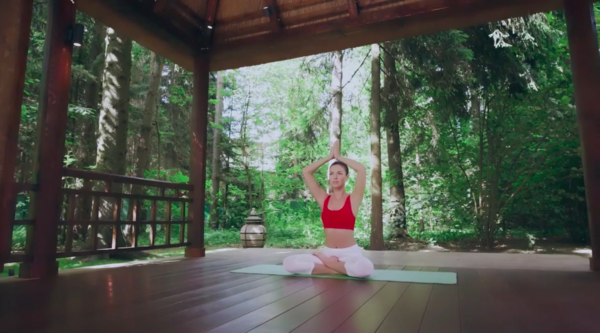
- Find a comfortable position. Try sitting on a cushion with an upright back and relaxed shoulders, but do not treat one posture as a rule. Lotus or half lotus may suit some people; a chair is equally suitable if it feels better. Many people prefer to meditate lying down, which is also an option;
- Notice your breathing. Close your eyes if comfortable and direct your attention to the breath. Observe air coming in and going out. When other thoughts appear, gently return to breathing and give your mind time to settle;
- Bring a kind attitude. Distracting thoughts are normal, especially at first. Notice them and return to your breathing;
- Begin with a manageable duration. Even 5–10 minutes a day can be a useful starting point. Over time, you can gradually extend your sessions if it feels helpful; you do not need to meditate for an hour or more to benefit;
- Be patient. Meditation takes practice and time. Do not expect instant results, and be kind to yourself as you learn;
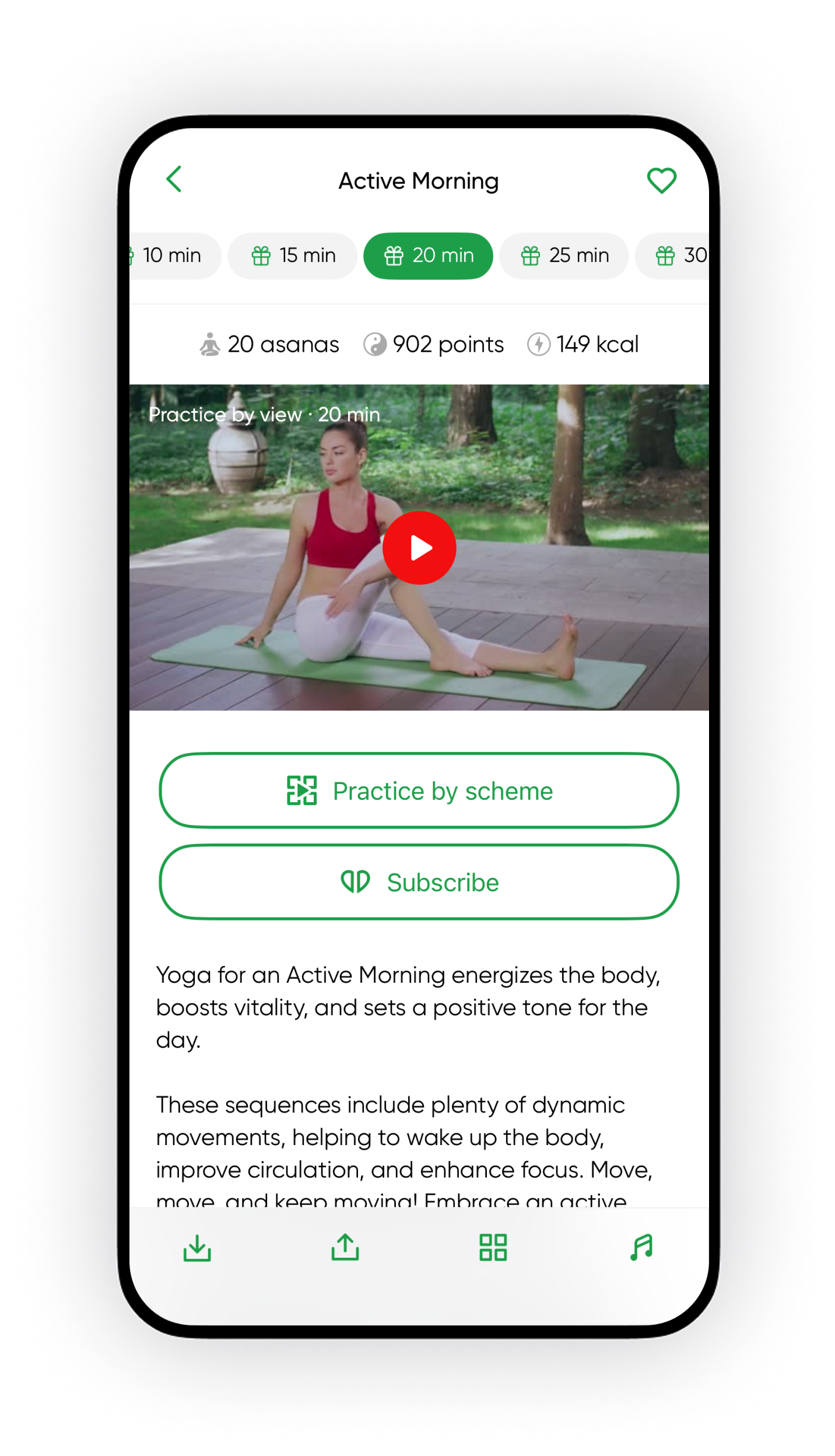
- Learn the basics. Guided resources can help you understand the principles, learn to meditate and find suitable practices. The Unagrande YogaClub mobile app brings together meditation programmes for different goals and needs. Install it on your phone and practise at a time and place that work for you.
Meditation is always a personal experience; there is no single correct way to practise. What matters is your intention to explore meditation and your willingness to make time for yourself and your inner life.
Main meditation techniques
There are many ways to meditate, and the variety can confuse or even intimidate beginners. Some of the most accessible techniques begin with something that is always with us: the breath. It is a simple point of focus, closely connected with how we feel and respond. Let us look at popular techniques that can help you begin your meditation journey.
Focusing on the breath
This technique invites you to direct your attention to breathing. Observe each inhale and exhale, noticing air moving through the nose and the sensations of breathing in the body. At first, this can be harder than it sounds. A mind used to constant activity catches hold of thoughts and moves away from your chosen focus. That is normal. Do not be discouraged: calmly bring your attention back to the breath and continue. Over time, you may notice that returning becomes easier—a sign of progress. Once a five-minute breathing meditation feels comfortable, gradually increase the time if you wish. You do not need a completely thought-free session before progressing. This exercise trains concentration, can encourage calm and offers a break from everyday worries and tension.
Candle-flame meditation (Trataka)
A candle can offer another point of focus for concentration. Rest your gaze gently on the flame, noticing its light and movement. Keep your eyes comfortable and blink naturally; do not force yourself to stare without blinking. Begin with 20–30 seconds and look away if your eyes feel strained. Focusing on a simple visual object can give you a break from repetitive thoughts. In yogic traditions, this practice is also associated with inner vision and intuition; these are traditional ideas rather than established medical effects.
Inner-sun visualisation
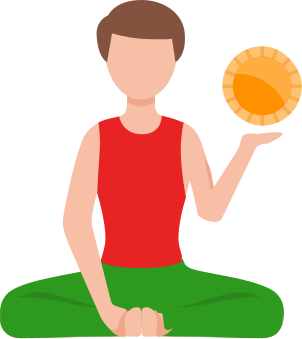
This practice adds imagery to the attempt to settle the mind. Direct your attention towards the centre of your body, just below the breastbone, around the solar plexus. Imagine a warm, golden sphere forming there—your own inner sun. With each natural inhale, picture it growing brighter and filling you with warmth and energy. Notice the imagined light and warmth, allow the image to spread through your body and observe any emotional response. The exercise is intended to evoke inner strength, confidence and vitality. Treat the sun as a visualisation, rather than as rays that physically heal or change your body.
Other techniques
Many objects and activities can provide a focus, helping you step back from repetitive thoughts and give the mind a rest. Meditation can be practised on its own or combined with other activities. You can begin with something simple or explore techniques that suit your temperament, goals and needs.
Examples of other practices:
- Mindfulness meditation. Practising presence in the moment: focusing on the breath and observing thoughts and sensations without becoming caught up in them;
- Transcendental Meditation. A practice involving silent repetition of a mantra—a sound or phrase—to encourage a settled state and relaxation;
- Zen meditation. Also known as zazen, this involves sitting with attentive awareness, often using the breath as a focus;
- Loving-kindness meditation. A compassion practice that focuses on developing feelings of kindness towards yourself and others;
- Yoga nidra. Often called yogic sleep, this guided practice encourages deep relaxation of the body and mind while resting between wakefulness and sleep;
- Kundalini yoga. A combination of meditation, mantras, physical exercises and breathing techniques intended to develop awareness;
- Qigong. A traditional Chinese practice combining meditation, relaxation, movement and breathing exercises to cultivate balance and wellbeing;
- Walking meditation. Meditation in movement, with attention directed towards your steps and the movement of your body as you walk.
These techniques can be adapted to individual preferences and goals. Each offers a different route towards self-understanding and inner calm.
Choosing a technique that suits you
The best technique for you depends on how your body and mind feel now and what you hope to gain. Here are some suggestions from the Unagrande YogaClub teachers:
- Define your goals. Consider what you want from meditation: managing stress, improving focus, developing awareness or compassion, or something else;
- Start simply. If you are new, try a technique that is easy to learn and practise. Breath awareness or a short, comfortable candle-flame practice, described above, can be a starting point;
- Explore different techniques. Learn about mindfulness, Transcendental Meditation, Zen meditation and other approaches to discover which suits you;
- Listen to your body and mind. Some people prefer meditation through movement, such as walking or yoga, while others enjoy quiet seated practice;
- Notice how you feel. After a session, observe your wellbeing and reflect on your meditation experience. Feeling more settled or positive can be a useful sign. If the practice increases distress, shorten it, stop or seek guidance;
- Be patient. Give yourself time to understand each technique and its effect on you. You can experiment at any stage;
- Practise regularly. Consistent practice is a useful way to assess a technique. Try meditating daily for a week or two, provided it feels comfortable, before drawing conclusions;
- Keep learning. Use available resources for guidance and support. The Unagrande YogaClub app, for example, includes practices designed around particular goals such as mindful breathing, healthy sleep and inner balance.
No single meditation technique is ideal for everyone. Your choice should reflect your lifestyle, interests and aspirations.
Common beginner mistakes and how to avoid them
Beginners often encounter similar difficulties that can spoil their first impression and make it harder to continue. Keep these common pitfalls in mind:
- An unsuitable time or place. Choose a quiet, calm setting where you are unlikely to be disturbed. A time when you feel relatively relaxed can make learning easier;
- Uncomfortable clothing. Wear loose, comfortable clothes so physical discomfort does not distract you;
- Distractions. Reduce noise and distracting sounds. Silence your phone and, if practical, the doorbell; you can make time for yourself. If you meditate lying down, avoid worrying about whether you might fall asleep. A gentle timer is an option if you need to finish at a particular time. Abrupt sounds can interrupt your sense of rest;
- An uncomfortable posture. Keep your back comfortably upright when sitting, without holding it rigidly. A supported position can reduce fatigue and allow easier breathing;
- No preparation. A little gentle movement before meditation may help your body and mind settle;
- Expecting perfect concentration. Bring attention to your breath or chosen object. When thoughts distract you, return gently; wandering is part of learning, rather than a failure;
- Forcing the breath. Breathe naturally and comfortably. Avoid unusually deep or interrupted breathing unless it belongs to a technique you have learned safely;
- Irregular practice. Build a routine around your available time and energy. Regular practice helps form a habit and make meditation part of daily life, so you can become familiar with the basics and develop gradually.
Meditation can be more than a passing trend. It offers a way to bring body and mind into greater harmony and find calm amid the demands of modern life. Beginning to meditate opens a path towards inner balance and self-understanding. Let your practice be steady like a river and deep like the ocean. Each moment of meditation can be a step towards awareness, wisdom and joy.





Comments
+ leave yoursThis article has no comments yet, be the first