


Lower back pain: common causes and what you can do
Lower back pain can feel like tension at the end of the working day, stiffness in the morning or discomfort after sitting. Sometimes it follows physical effort; sometimes there is no obvious trigger.
Back pain has many possible causes, and an exact cause is not always clear. Everyday movement, training load, stress and time spent in one position may all affect how you feel. Gentle activity can be helpful, but new or concerning symptoms need assessment.
What can contribute to discomfort?
Your lower back supports many everyday movements, including sitting, standing, walking and lifting. Discomfort may be associated with:
- Long periods in one position
- Unfamiliar or demanding activity
- A muscle strain or tension
- Too little movement variety
- Lifting more than you are prepared for
- Stress and difficulty relaxing
Several factors can overlap. There is no single “perfect posture” you must hold all day; changing position is often more practical.
When to get medical help
Get urgent assessment for severe or rapidly worsening pain, pain after a serious accident, fever or feeling unwell. Seek emergency help if back pain comes with new problems controlling your bladder or bowels, loss of sensation around the genitals or anus, or pain, weakness or numbness in both legs.
Arrange medical advice if pain persists, affects daily activities, or comes with unexplained weight loss or other concerning symptoms. This article cannot diagnose the cause of your pain.
What you can do yourself
If there are no warning signs and activity is appropriate for you, try manageable changes:
- Change position during the day.
- Take short breaks from desk work.
- Continue comfortable everyday activity and gentle walks.
- Use a position that feels supported, rather than forcing a rigid posture.
- Make time for rest and relaxation.
- Try gentle exercises that do not worsen symptoms.
Prolonged bed rest is generally unhelpful for ordinary back pain. Adjust activity to what you can manage, and stop an exercise if it makes pain worse.
Where can yoga fit in?
An adapted practice can combine movement, supporting strength and relaxation. It may offer a way to explore stiffness, notice unnecessary muscle tension and gradually build confidence in movement. It is one option within a broader approach to back care, rather than a cure for every cause of pain.
A short lower-back practice
Choose a gentle lesson only if the movements suit your symptoms and any advice you have received. You can skip a pose or rest at any time.

Six poses to discuss with your instructor


Different backs respond differently. These familiar yoga options may need support, a smaller range or replacement:
- Child's Pose: a resting fold if comfortable for your back and knees.
- Cat–Cow: small, slow movements through a comfortable range.
- Downward-Facing Dog: keep the knees bent or use hands on a wall.
- Cobra Pose: try a low lift without pushing into the lower back.
- Bridge Pose: a small, controlled lift that engages the glutes.
- A lying twist: keep the range gentle and avoid pulling the legs down.
You do not need to complete every pose. An individual routine from a clinician or physiotherapist takes priority over a general list.
Common mistakes
- Stopping all activity for a long time without advice
- Working through pain
- Increasing the load suddenly after a break
- Doing too much on one day and very little afterwards
- Expecting one session to solve the problem
Frequently asked questions
Can I practise yoga with lower back pain?
Sometimes an adapted, gentle practice is appropriate. Get advice for significant pain, injury, spinal conditions or symptoms that concern you.
Which exercises are safest?
There is no universal list. Begin with comfortable movement and follow individual guidance.
How long should I practise?
Start with a short session you can manage. Regularity matters more than pushing through a long class.
When will I notice a difference?
The course varies with the person and cause. Review your approach and seek advice if symptoms persist or worsen.
Build a routine for your back
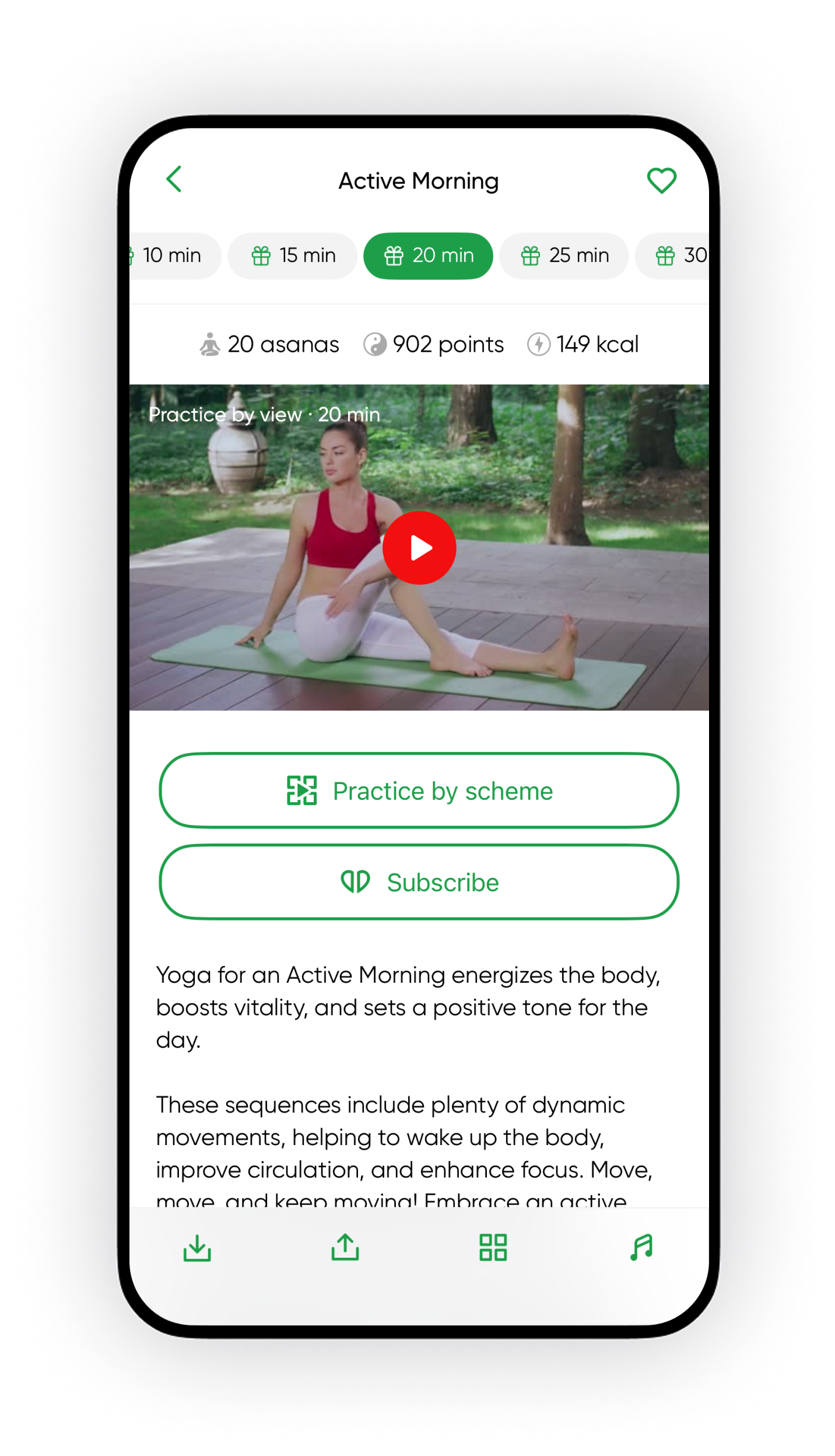
Guided lessons can help you make movement a regular part of your day. Check that the programme suits your needs and adapt it to professional advice; the course name does not guarantee pain relief.


For more information, see the NHS guide to back pain.





Comments
+ leave yoursМарченкова Александра
занятия от боли в пояснице правда очень хорошие. я делаю когда болит 30 минутную тренировку, иногда и 15 минутную, как рукой боль снимает
17 September 2026