


Stress can become familiar enough that you barely notice how tense you feel. Yoga offers a practical pause: a few movements, a comfortable breath and time to pay attention to yourself.
How can yoga help you unwind?
- A focus for your attention. Poses and breathing give you something concrete to return to when your thoughts are busy.
- A chance to release tension. Gentle movement can help you notice areas you are gripping and soften them.
- A regular moment of care. Making space for practice can support a routine that includes rest and recovery.
Yoga may help with stress, but it is not a replacement for treatment when anxiety or other symptoms affect daily life. You do not need to force yourself to feel calm.


Five practices to explore
Choose the options that suit you and leave out anything that feels uncomfortable.
- Child's Pose: a resting option for the back; use support or choose a seated position if kneeling hurts.
- Downward-Facing Dog: a more active option for lengthening and movement. Bend the knees or try it with hands on a wall.
- A gentle lying twist: move within a comfortable range, without pulling the knees down.
- Relaxation Pose: rest on your back, side or in another supported position that feels easy.
- Alternate-nostril breathing: explore a slow, unforced rhythm without breath holds; ordinary relaxed breathing is also a good option.


A short guided practice
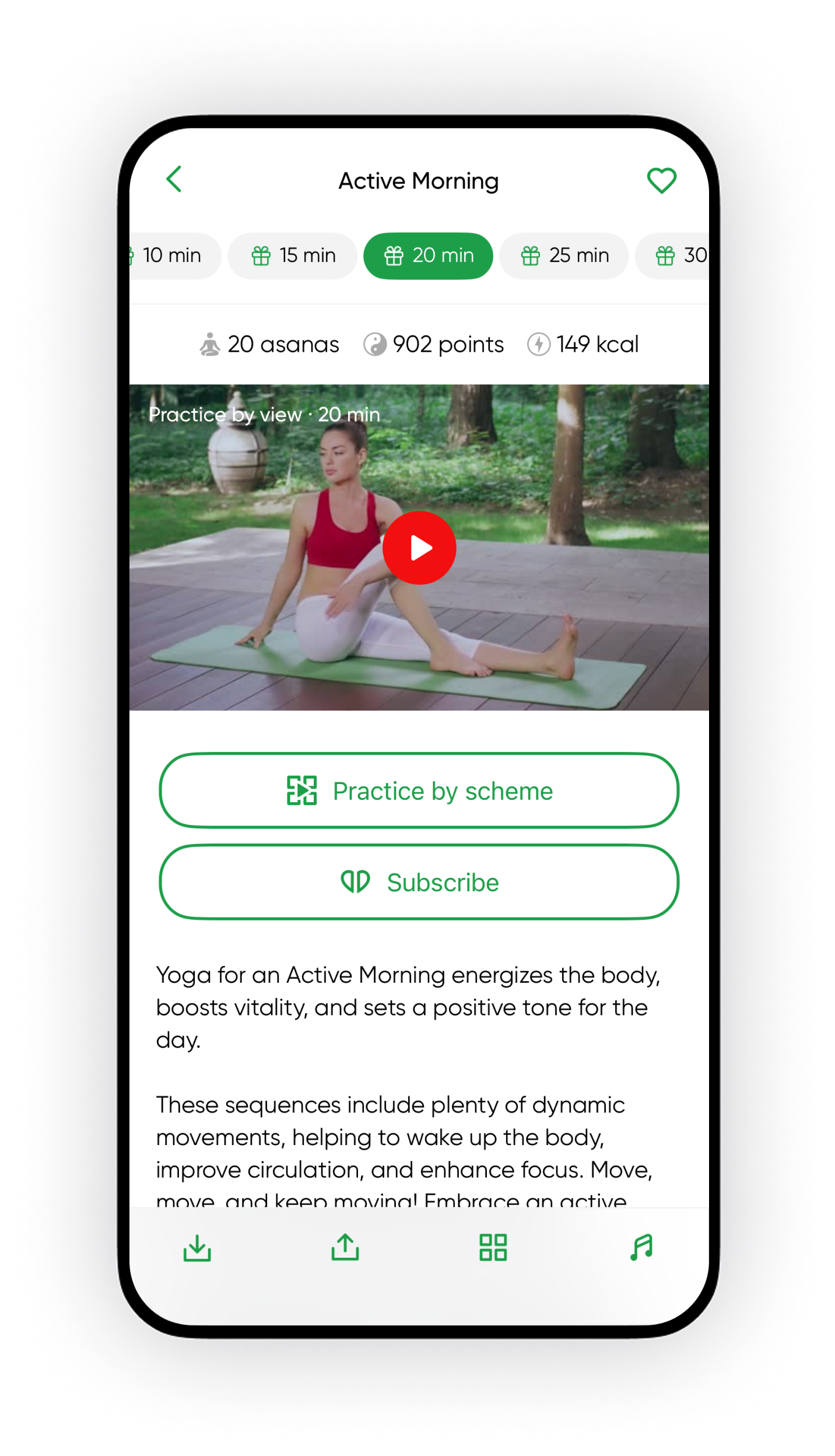
If a full class feels like too much, try a brief session and see how you feel. Take breaks and adapt the movements as needed.

Make it part of your routine
You do not need complicated poses or a perfect schedule. A few manageable sessions can give you a regular space to unwind. Combine practice with adequate sleep, breaks and the support you need.
21 February 2025

0
795
1





Comments
+ leave yoursThis article has no comments yet, be the first