


In this article
- What can contribute to neck pain?
- When to seek medical advice
- What you can do yourself
- Where yoga can fit in
- A short neck and shoulder practice
- Options for your practice
- Common mistakes
- Frequently asked questions
- Build a manageable routine
Neck pain: common causes and gentle self-care
Neck discomfort can feel like tension after work, stiffness on waking or heaviness around the shoulders. It may follow time at a computer, using a phone or sleeping in an awkward position.
The cause is not always obvious. Gentle activity and changes to everyday habits can help with some kinds of discomfort, but significant or unusual symptoms should be assessed.
What can contribute to neck pain?
Your neck supports your head and allows you to look in different directions. Possible contributors to discomfort include:
- Long periods at a desk
- Holding your head down while using a phone
- Muscle tension around the neck and shoulders
- An uncomfortable sleeping position
- Staying in one position for too long
- Too little movement variety
- Stress and difficulty relaxing
Several factors may overlap. Try changing position rather than holding a supposedly perfect posture all day.
When to seek medical advice
Get prompt advice if pain follows an injury, is severe, or comes with new weakness, numbness, tingling, dizziness or other unusual symptoms. Seek urgent help for sudden major neurological symptoms or neck stiffness with fever and a severe headache.
Arrange an assessment if pain continues for several weeks, keeps returning or interferes with daily life. Do not drive or cycle if you cannot move your neck enough to do so safely.
General information cannot replace assessment of your individual symptoms.
What you can do yourself
If movement is appropriate for you, small changes can be a useful start:
- Change position throughout the day.
- Take brief breaks during desk work.
- Adjust your screen or phone to a comfortable height.
- Notice whether you are gripping or lifting the shoulders.
- Continue comfortable everyday activity.
- Make time for relaxation and sleep.
- Explore small, gentle movements of the neck, shoulders and upper back.
Avoid forcing the neck into a stretch. Let symptoms guide the range and seek advice if movement makes them worse.
Where yoga can fit in
A gentle, adapted practice gives you an opportunity to move the shoulders and upper back, develop supporting strength and release unnecessary tension. Calm breathing and rest may also help you unwind.
Choose poses that keep your neck comfortable. You can leave out inversions, demanding backbends and any position that puts pressure on the head or neck.
A short neck and shoulder practice
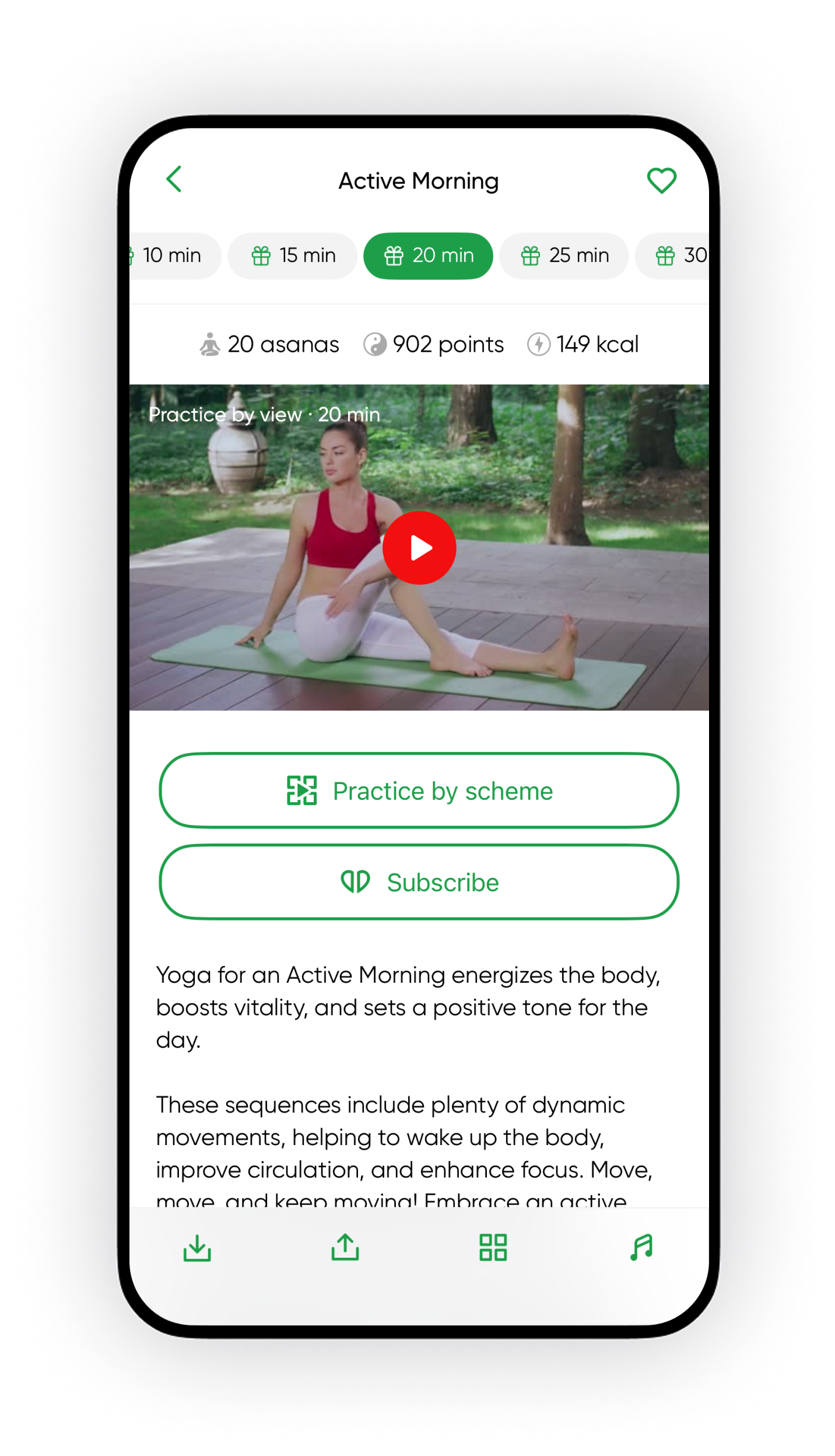
Try a brief guided lesson if it suits your symptoms and the advice you have received. Adapt or skip movements freely.

Options for your practice
Common gentle options include small Cat–Cow movements, supported Child's Pose, a mild Puppy Pose, a shallow seated fold, a gentle seated twist and a supported resting pose. Keep your head aligned comfortably and avoid pulling it into position.
The catalogue below contains a wider range of poses, including more demanding options. Use an instructor's help to choose appropriate variations; a general catalogue is not a prescription for neck pain.


Common mistakes
- Making rapid, large circles with the head
- Pulling or stretching the neck through pain
- Keeping one position for too long
- Ignoring tension in the shoulders and upper back
- Expecting an immediate result from one practice
Frequently asked questions
Can I practise yoga with neck pain?
A gentle adaptation may suit some people. Seek advice for significant pain, injury or an existing spinal condition.
Which exercises should I start with?
Choose comfortable, small movements and follow individual guidance. Avoid sudden head movements or pressure on the neck.
How long should a session be?
Start with a few manageable minutes. Regular, comfortable movement is more useful than forcing a long session.
When should I expect a change?
It varies. Review symptoms and seek advice if they persist or worsen.
Build a manageable routine
Gentle lessons can help you add movement and relaxation to daily life. Select practices for your current needs and leave room for rest.


Read more in the NHS guide to neck pain.





Comments
+ leave yoursThis article has no comments yet, be the first