


Beginner yoga videos: start with 10–20 minutes
Choose a lesson to match the time you have today: 10 minutes for a short practice, or 15 or 20 minutes for a longer session. Follow the teacher's movements and explanations, and pause the video whenever you need to.


One lesson is enough for your first session. Feel free to repeat a familiar video: each time, it can become easier to follow your breathing and notice your body position.
Free Yoga for Beginners course
If you prefer a structured programme, start with our free Yoga for Beginners course. It introduces the practice and helps you take your first steps at home. Choose a convenient time and work through the lessons at your own pace.

In this article
- How to start yoga at home as a complete beginner
- What you need for practice
- Which type of yoga to choose
- 10, 15, 20 and 30-minute lessons
- Simple yoga exercises and poses
- How to breathe during yoga
- How often to practise
- Morning and evening yoga
- Yoga for women and men
- Starting after 50: programmes for ages 60+ and 75+
- Choosing yoga for your back, flexibility or weight management
- Frequently asked questions
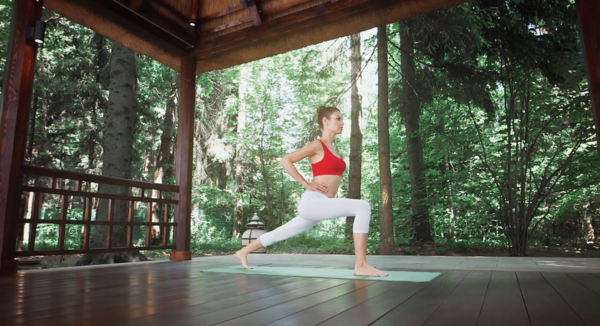
Yoga for beginners at home is a convenient way to explore the practice and find a routine that works for you. To get started, you need a mat, some clear space and a short video lesson. You do not need an athletic background or good flexibility: begin with accessible movements and gradually learn the basic poses.
Here you will find beginner yoga videos, a free course and practical tips for your first sessions at home. You can choose a 10–20-minute lesson straight away or first read how to prepare.
How to start yoga at home as a complete beginner
Begin with a short lesson at beginner level. During your first practice, focus on the basics: where to place your feet and hands, how to move from one pose to the next, and how to keep your breathing calm.
- Choose a 10–15-minute lesson. Look at the exercises included and prepare anything you need.
- Unroll your mat and clear some space. Keep a blanket, a small cushion or yoga blocks nearby if needed.
- Move within a comfortable range. Use the easier options described by the teacher.
- Leave time to rest at the end. After the session, notice how you feel and what sensations you experience in your body.
Practising at home lets you move at your own pace, replay explanations, take breaks and return to familiar exercises. Build up gradually rather than trying to match the depth of a forward bend or backbend on the screen.
What you need for yoga at home
- A non-slip yoga mat. Place it on a flat, stable floor.
- Clear space. Make sure you can lie down, stretch your arms out and move them to either side without touching furniture.
- Comfortable clothing. Choose clothes that allow you to move and breathe freely.
- Support where needed. A blanket, cushion or yoga blocks can make some positions more comfortable.
- A phone, tablet or laptop. Position the screen so you can comfortably watch the lesson and hear the instructions.
Air the room and choose a comfortable temperature. After a large meal, wait until the feeling of fullness has passed. For standing poses and exercises that place weight on your hands, use a mat on the floor.
Which type of yoga is suitable for beginners?
Beginner Hatha yoga can be a useful introduction to poses and breathing. When choosing a video, look for beginner level, clear explanations and an unhurried pace between movements.
A lesson with a warm-up, accessible exercises and relaxation at the end is a good place to start. You do not need to do the splits or reach the floor with your palms. Mobility and the skills involved in yoga poses develop through practice.
For a step-by-step introduction, choose the free beginner course. If you prefer to practise according to your mood and schedule, start with individual short videos.
10, 15, 20 and 30-minute yoga lessons for beginners
Lesson length helps you fit yoga into your day. Also consider the exercises included and how you feel.
- 10 minutes — for an introduction to yoga or a short session during the day.
- 15 minutes — for regular home practice when you want a little more time for movement.
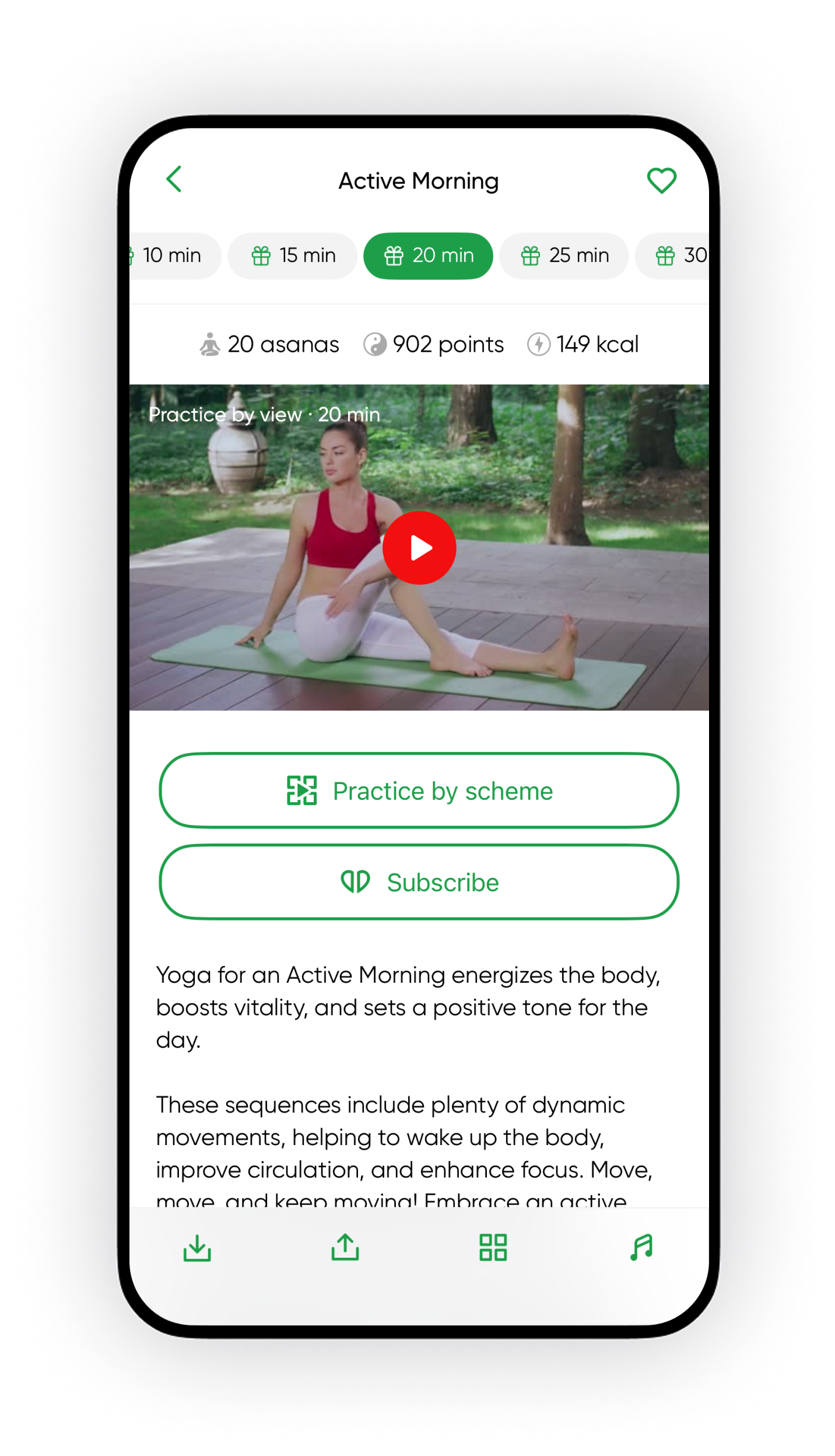
- 20 minutes — when shorter lessons feel familiar and you have time to continue.
- 30 minutes — for a longer practice on a day when you feel ready for that amount of activity.
You will find the 10, 15 and 20-minute lessons at the beginning of this guide. For a longer session, try the 25 and 30-minute options:


Build up to longer sessions gradually. If you only have 10 minutes today, choose a short lesson and take your time completing it.
Simple yoga exercises and poses for beginners
Asanas are yoga poses. Home lessons include standing, hands-and-knees, seated and lying positions. You can look at the technique for individual exercises before practising them in a complete video lesson.
- Mountain Pose. A basic standing position that helps you notice the support of your feet and the alignment of your torso.
- Cat movement. Gentle movements of the spine while on your hands and knees.
- Child's Pose. A resting position between exercises; use support and a comfortable knee position if needed.
- Half Bridge Pose. Lifting your pelvis while lying on your back with your knees bent.
- Wind-Relieving Pose. Lying on your back with your knees drawn towards your torso.
- Relaxation Pose. Quiet rest at the end of a session.
The pose cards introduce individual movements. For a complete practice, choose a lesson with a planned sequence, transitions and time to rest.
How to breathe during yoga
In your first sessions, keep your breathing calm and natural. Breathe through your nose if that feels comfortable. When the teacher asks you to move on an inhale or exhale, follow the instruction without straining.
If your breathing becomes uneven, slow down, make the position easier or take a break. Explore breath holds and intensive breathing techniques separately after learning the basics.
Read more in How to Breathe During Yoga.
How often should you practise yoga at home? Your first week
Try two or three short sessions a week to begin with. This is a practical starting point for finding out how much time you want to set aside and how you feel after practice.
- First session: choose a 10–15-minute lesson and explore the movements.
- Next session: repeat the same video to become more familiar with the technique.
- Third session: continue with the familiar lesson or move on to the next one in the course.
Allow time to recover between sessions. When short lessons become familiar, you can increase the length to 20–30 minutes. Adjust the effort gradually by adding time or choosing more challenging exercises.
If you prefer a programme, return to the free Yoga for Beginners course and work through it at your own pace.
Morning and evening yoga for beginners
Morning yoga at home
In the morning, begin with gentle movements and a gradual warm-up. If your body feels stiff after sleep, use a smaller range of motion. A short 10–15-minute practice can fit easily into your morning routine.
Try this 10-minute morning lesson:

Evening and bedtime yoga
In the evening, choose the effort level according to how you feel. After a busy day, you may prefer calm movements and more time for relaxation at the end. Try this 10-minute evening lesson:

For more suggestions, read Yoga for Sleep.
Beginner yoga for women and men
Women and men can start with the same basic lessons. Your experience, how you feel and your goal matter more when choosing a session: exploring yoga, improving mobility, building strength or making time to rest.
Choose a comfortable pace and accessible versions of the exercises. During your period, follow how you feel: if you experience pain or weakness, reduce the effort or rest. For pregnancy and recovery after childbirth, choose specialised programmes with advice from your healthcare professional.
Explore the Women's Strength and Men's Strength programmes. Choose a duration and level of effort that fit your experience and how you feel.
Starting yoga after 50: programmes for ages 60+ and 75+
You can discover yoga later in life, too. When starting, consider how comfortable you are standing, getting down to the floor and getting up again, which movements are familiar, and what level of activity suits you now.
Unagrande YogaClub has a Longevity topic with programmes for ages 60+ and 75+. Choose a short lesson and gradually build a home practice that fits your routine.
Yoga videos for ages 60+
Explore this series with two 10-minute lessons focused on anxiety and back discomfort:


Yoga videos for ages 75+
The 75+ series also includes short 10-minute sessions. Below are lessons focused on anxiety and back discomfort:


If you have joint or spinal conditions, osteoporosis, balance difficulties or restrictions on physical activity, discuss a suitable programme with a qualified professional. Age labels and programme names help you navigate the catalogue; choose each lesson according to your health and abilities.
Yoga for your back, flexibility and weight management: what to choose
Beginner yoga for your back
To focus on your back, choose lessons with accessible movements and clear instructions. If you already have pain, exercises should be selected with its cause in mind.
Yoga can be one option for physical activity in people with chronic non-specific lower back pain. A Cochrane review found small improvements compared with no exercise. For more on choosing a practice, read Yoga for Your Back.

Explore more yoga classes for your back.
Yoga and stretching for beginners
To develop flexibility, work within an accessible range, use support and keep your breathing calm. Where the technique allows, bend your knees or reduce the depth of a forward bend.
Notice your own experience: does a movement feel freer, or a familiar position more comfortable? Regular practice helps you gradually learn the exercises.

Explore more flexibility classes.
Beginner yoga for weight management
Yoga can form part of regular physical activity. Weight loss depends on eating habits, overall activity and energy balance. Begin with manageable sessions you can repeat, then gradually expand your activity.
Read more about choosing a practice in Yoga for Weight Management. The role of food and movement is also explained in the CDC's guidance on physical activity and weight.

Explore more yoga classes for weight management.
How to choose a comfortable level of effort
Move smoothly and leave yourself room to pause. Stop the session if you experience pain, dizziness or feel unwell. If you have an injury or a medical condition, are pregnant or are recovering from surgery, discuss the programme with your healthcare professional and yoga teacher.
Start with basic exercises. Headstands, shoulder stands, deep backbends and intensive breathing techniques require separate instruction. You can find information on adapting practice in the NCCIH guide to yoga's effectiveness and safety.
Common mistakes when starting yoga at home
- Choosing a long lesson immediately. Begin with an amount of time you can set aside regularly.
- Trying to look exactly like the teacher on screen. Use a comfortable range of movement and easier options.
- Holding your breath in a difficult position. Simplify the exercise or take a break.
- Pushing through pain. Stop the movement and find out what is causing the discomfort.
- Choosing a new sequence every time. Repeat familiar lessons to build confidence with the technique.
Frequently asked questions about beginner yoga at home
Can I start yoga on my own?
Yes, beginner video lessons can introduce you to the practice. Follow the teacher, replay explanations and move at a comfortable pace. If you have health restrictions or questions about technique, work with a teacher to choose a suitable programme.
Are there free yoga lessons for beginners?
Yes. You will find short free lessons and a free Yoga for Beginners course at the beginning of this guide. Choose one lesson or start the programme.
How long should my first yoga session be?
Try a 10–15-minute lesson. When the movements feel familiar and that amount of activity is comfortable, you can move on to 20–30 minutes.
Can I practise yoga every day?
Consider the effort involved and your recovery. Two or three short sessions a week are a convenient starting point, and you can then find your own rhythm. Alternate more intensive practices with rest.
Can I do yoga if I am not flexible?
Yes, you do not need a high level of flexibility to begin. Choose accessible versions of the poses, use support and gradually explore the exercises.
Can I start yoga after 40 or 50?
Yes, with your health and current mobility in mind. Begin with a short lesson and accessible movements. For older adults, the Longevity topic includes dedicated series for ages 60+ and 75+.
How should I choose yoga after 60 or 75?
Explore the short lessons for the relevant age group in this guide. If you have a medical condition or movement restrictions, discuss the programme with a qualified professional.
Is beginner yoga just stretching?
Depending on the lesson, yoga includes exercises for strength, mobility and balance, as well as breathing and relaxation. Look at the session's sequence and choose one that suits you.
Is morning or evening better for yoga?
Choose a time that works for you. A short morning practice can help you begin your day, while a calm evening lesson leaves time for relaxation. Try both and see which fits your routine more easily.
What if I cannot do an exercise?
Pause the video, replay the explanation and try an easier option. Reduce the range of movement or temporarily skip the exercise. Use the pose cards to revisit individual movements.
When will I notice results?
That depends on your goal, consistency and starting point. First, notice small changes: whether familiar movements feel easier, whether you can follow your breathing more comfortably, and whether you are making time for practice.
How do I choose a full-body yoga lesson for beginners?
Start with one of the beginner lessons at the beginning of this guide. Look at the sequence and choose a length that suits you today. Repeat a familiar lesson and gradually increase your practice time.
Start with one short session
Choose a 10–20-minute video lesson or the free Yoga for Beginners course. Clear some space, unroll your mat and set aside a little time for yourself. Let your first practice become the start of a habit you enjoy returning to.
Sources
NCCIH: Yoga — Effectiveness and Safety; NCCIH: Yoga for Health — What the Science Says; Cochrane: Yoga for chronic non-specific low back pain; CDC: Physical Activity and Your Weight and Health.





Comments
+ leave a commentNo comments yet. Be the first to comment